

Victory! SEIU 1021 members lead & win on protecting quality care for adults with severe mental illness in San Francisco
SF Department of Public Health has agreed not to contract out care at its highly successful board and cares programs
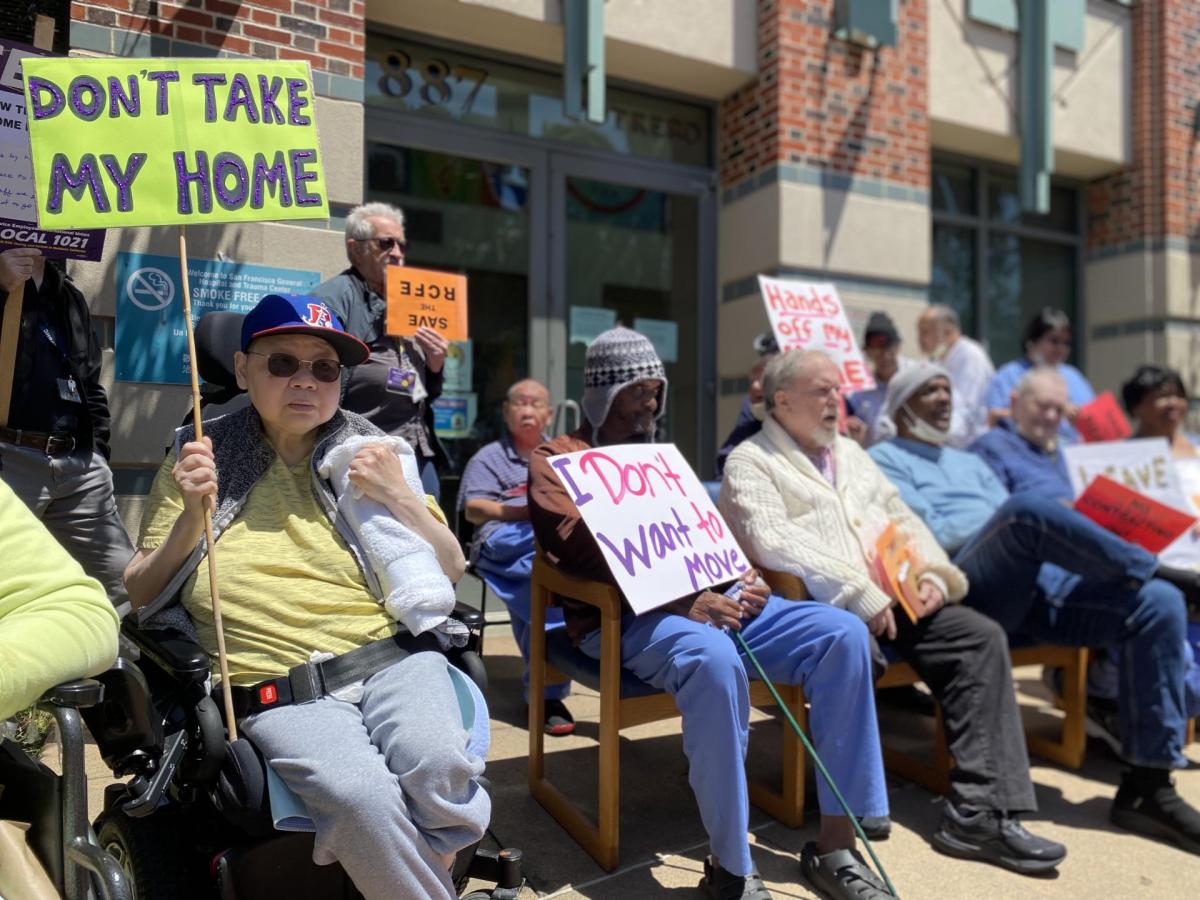
SEIU 1021 members working hand-in-hand with residents, their loved ones, and their advocates scored a monumental victory last week when the San Francisco Department of Public Health (SFDPH) backed away from its push to privatize its board and care programs for adults and seniors with severe mental illness.
SFDPH has run incredibly successful board and care programs for adults and seniors with severe mental illness at San Francisco General Hospital’s Behavioral Health Center (BHC) for two decades. Despite the program’s success, SFDPH informed residents earlier this year that they would have to move to new facilities, which would be publicly funded but run by private contractors. The move was an effort to get a $21 million state grant to convert the entire BHC into a locked subacute treatment facility for psychiatric patients being involuntarily conserved, in service to Mayor Lurie’s goal of opening 1500 new treatment and shelter beds. While the city does need more subacute mental health beds, the City’s plan came at the expense of current residents of the Adult Residential Facility (ARF) and Residential Care Facility for the Elderly (RCFE) who had achieved stability after private programs had been unable to meet their needs or had evicted them.
Residents who had previously bounced around from private facility to private facility every few months for years found long-term stability and community there, with experienced civil servants providing high-quality care and building relationships and trust. In fact, residents of the BHC have far better outcomes compared to adults with severe mental illness in the general population.
“According to available evidence, life expectancy of patients with chronic and severe mental illness in the general population is 10-20 years with an average life expectancy of 64.7 years,” said SEIU 1021 member and RN Sarah Clark, who has worked at the ARF for eight years. ”The average age of an RCFE resident is 71 years old and we have five who are in their 80s.
“It is undeniable that the staff of the board and cares play a huge role in our residents beating the odds. I’ve seen urinary tract infections, respiratory illnesses, heart disease, cancer, and more be caught early because our staff have been with the residents so long and know them well enough that they’re able to notice subtle changes when something is amiss. The residents also trust our staff enough to tell them when something is wrong, which is a huge accomplishment for both the residents and staff.”
For months, SFDPH officials held closed-door meetings with residents without allowing their family members, providers, or other advocates to be in the room with them and pressured them to take a placement at a private facility before being forced to move when they closed the programs at the BHC.
Antoinette Conde, the sister of a resident of the RCFE, spoke at a rally in protest of the closure plan on June 26. “The BHC has provided security, safety and stability,” she said. “The staff really are familiar and skillful in dealing with this type of patient and his health conditions. To move him to these contractual facilities where he’s been before will create anxiety and even confusion. My brother is all I have. If I don’t fight for his safety and well-being, who else will?”
One resident succumbed to the pressure and did move out—only for her health to deteriorate quickly, with staff at the city-recommended private facility unable to meet her needs. That facility then moved to evict her.
“We trusted this recommendation,” said an interpreter reading a statement written by the resident’s sister at an SF Health Commission meeting in October. “This eviction is devastating to my sister’s health and our family stability.”
SEIU 1021 members at the BHC and residents had been fighting for months for DPH to keep the ARF (which is protected by 2019 legislation) and for residents and staff to be kept together, even if they had to move to a new facility.
After months of organizing, speaking at health commission meetings and civil service commission meetings and seeking to block civil service commission approval of the funding request to contract out the BHC services, SEIU 1021 reached an agreement with SFDPH representatives last week. ARF residents will continue to stay where they are, and while RCFE residents will eventually be moved to the city’s new facility, their current care staff will be able to stay with them; care will not be contracted out.
“The beauty of maintaining this level of care is that people get better after being locked up, and they need a new home to move into,” said SEIU 1021 Vice President of Organizing and psychiatric RN Jennifer Esteen. ”Preserving these beds means we ensure people can get free once they are well. Too often people are stuck in locked settings, including jail, because we do not have an appropriate place for them to move into.
“It’s a huge victory. They gave up the push to privatize the work and will not be contracting out work currently being performed by city staff, which is a very big deal. It remains to be seen how this facility’s operations will take shape,
“Our fight to save the ARF was always about protecting the civil rights of our clients as much as it was about protecting city services and the jobs of our members.”